Walk the leafy streets of Elwood, St Kilda or Caulfield and you'll spot them: solid, symmetrical apartment blocks with curved corners, geometric detailing and names like Mandalay or Woy Woy rendered in confident 1930s lettering. For decades they were simply where you lived if you wanted a well-built flat close to the bay. Today they're among Melbourne's most quietly coveted homes – and one of the city's most underrated architectural treasures.
The team at Woodards takes a look at the enduring appeal of Melbourne's Art Deco apartments: where they came from, why they've aged so well, and what makes them such a distinctive place to call home.
Art Deco arrived in Melbourne during the interwar years, when a wave of new technology and optimism was reshaping how cities looked and how people lived. Steel-reinforced concrete, terrazzo flooring and gleaming white metals let architects break from the ornate prettiness of Victorian and Edwardian building and embrace something sleeker, bolder and unmistakably modern. It felt like the future – so much so that architect Robin Boyd would later describe Art Deco as nothing less than a "revolution" in modern architecture.
At the time, nobody in Melbourne even called it Art Deco. The style was simply "Continental", or "the latest". Its popularity peaked around 1934, the year Melbourne marked its centenary and appetite for the new style was at its height.
This was also the moment apartment living took off in Melbourne – and it took off fastest near the sea. Suburbs like Elwood and St Kilda, a short tram ride from the city, filled with elegant new blocks built for a modern, urban way of living.
There was a practical quirk to their design, too. Most were three-storey "walk-ups" – deliberately kept to three levels to avoid the considerable cost of installing a lift. That constraint gave the buildings their characteristic proportions: solid, human-scaled and beautifully symmetrical. Many of these blocks still stand today, and they remain highly prized on the market.
Nearly a century later, Melbourne's surviving apartment buildings still demonstrate why. Their generous proportions, durable construction and understated elegance have allowed them to outlast changing design trends, while features like terrazzo entrance foyers, curved balconies and carefully landscaped communal gardens continue to give many buildings a distinctive sense of arrival that's difficult to replicate in contemporary developments.
One of the reasons these apartments remain so sought-after is that they were designed for long-term liveability rather than maximum apartment numbers. Many feature cross-ventilation, windows on multiple sides and generously proportioned rooms that feel surprisingly spacious by today's standards.
Behind the geometric exteriors, Deco apartments tend to share a set of hallmarks that are hard to replicate in modern buildings:
The result is a home with warmth, character and proportions that feel increasingly rare in contemporary apartment design. It's little wonder younger buyers – along with downsizers and design lovers – continue to rediscover Melbourne's Deco buildings.
For years, Art Deco apartments sat in the shadow of Melbourne's grand Victorian terraces and the convenience of brand-new apartment towers. Today, buyers are increasingly recognising what they've always offered: thoughtful design, enduring craftsmanship and an unmistakable sense of character.
Well-preserved examples throughout St Kilda, Elwood, Caulfield, Balaclava and neighbouring pockets are more sought-after than ever, particularly those that have been sympathetically updated with modern kitchens and bathrooms while retaining original features like leadlight windows, timber floors and decorative plasterwork.
If you're lucky enough to own one, preserving what makes it special – the leadlight, the cornices, the floors – is the surest way to protect both its character and its value. And if you're hunting for one, patience and a good eye for original features go a long way.
If you're considering buying an Art Deco apartment, look beyond the beautiful façade. Pay close attention to original features, natural light, sympathetic renovations and the condition of common areas, as these elements often have the biggest impact on both liveability and long-term value.
Features such as original timber flooring, intact leadlight windows, decorative cornices and fireplaces can add long-term appeal, while practical considerations like natural light, cross-ventilation and the condition of common areas will have just as much impact on everyday living. Well-managed owners corporations and sympathetic renovations that respect the building's heritage are also worth paying close attention to.
Melbourne's Art Deco apartments prove that great design never really goes out of style. Nearly a century after they were built, they're still admired for their craftsmanship, generous proportions and timeless character – qualities that continue to resonate with today's buyers.
Whether you're hoping to buy into one of these bayside beauties or preparing to sell a Deco gem of your own, the team at Woodards understands these neighbourhoods and the homes that define them. If you'd like tailored advice on your local market, we'd love to help.
There is a common assumption that engaging a property manager is something that happens towards the end of purchasing an investment property.
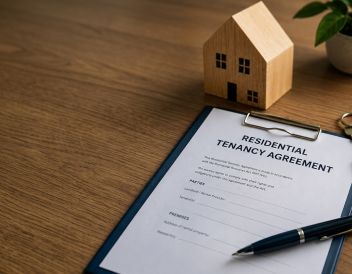
Changing the renters named on a rental agreement can sound relatively simple. One person moves out, another moves in, a partner is added, or one housemate replaces another.
Good property management should remove uncertainty, not create more of it.
If you're considering engaging a property manager, one of the first questions you're likely to ask is: how much does property management actually cost?

All of our agents have the experience and local knowledge to guide you

Whether selling or investing, an appraisal of value will give you the confidence to make an informed decision

Switch to Woodards Property Management